MAX KLEIN BIBLE MINISTRIES
The Seven Baptisms
Written by: Max Klein
Baptism means identification or association:
Introduction:
1. This meaning began in Homer's time. Homer wrote of the one-eyed giant, Cyclops who had trapped Ulysses and his men in a cave and was eating them one at a time. The ingenious Ulysses devised a plan. He had his men sharpen a large log and together they rammed this log into the eye of the one-eyed Cyclops rendering him blind. They identified (baptized) the sharpened log with Cyclops’ eye which changed Cyclops from a seeing giant to a blind giant. Having blinded the Cyclops, they were able to maneuver their way out of the cave. Another example by Homer: Homer's Odyssey, book 9, used baptism for hot metal identified (baptized) with water when a smith dipped a piece of hot iron into water. This is how a blacksmith would temper swords in the ancient world. After this identification, the sword was made stronger and so less likely to bend.
2. Xenophon said that the Spartan military recruits after finishing infantry training would identify (baptize) their spears with pig’s blood. They would run by a barrel of pig’s blood and thrust their spears into this blood. This ritual, identified their spears with killing and the soldier’s readiness for combat with the enemy.
3. Euripides used the word for a ship identified with the bottom of the sea when it sank. Before sinking, the ship was valuable; after sinking it had no value at all.
4. So "baptize" in the classical Greek meant to identify one thing with another so that the characteristics of the original thing were altered. Therefore, the interpretation of the word "baptism" is identification with something that brings about a change.
5. There are a number of cognates related to this Greek word such as bapto, baptizo, baptisma, baptismos, baptistes, and embapto. A few examples follow:
6. John 13:26, “Jesus then answered, ‘That is the one for whom, I shall dip [the future of the Greek word bapto] the morsel and give it to him. So, when he had dipped [the aorist participle of bapto; the sop now takes on a new meaning that of honor] the sop [the morsel], He took and gave it to Judas, the son of Simon Iscariot.”
To give someone a sop [a special bit of food usually a piece of bread or meat with a tasty sauce] was the highest honor of a banquet. At a banquet a special piece of bread or meat was prepared along with a special sauce for the guest of honor who would then honor someone by giving it to that person. Jesus as the guest of honor took this sop and dipped it into a special sauce and gave it to Judas. In this way, the Lord Jesus Christ honored Judas as a member of the family of God, and for his ministry as an apostle to the Lost Sheep of Israel. This honor should have given Judas second thoughts regarding his plan to betray Jesus to the Sanhedrin.
7. Matthew 3:7, “but when he [John the Baptizer] saw many of the Pharisees and Sadducees coming for baptism [identification: the Greek word baptisma], he said to them, “You brood of vipers [poisonous snakes], who warned you to flee from the wrath to come [Baptism of Fire: identification with the fire of Torments and then the Lake of Fire]?”
8. Hebrews 6:1-2, “Therefore, leaving behind the elementary teaching about Christ, let us advance to maturity, not laying again the foundation [of the basics such as]: a change of thinking about dead works [just as an unbeliever must have a change of mind about Christ to obtain salvation, so the believer must have a change of mind about legalism (dead works) in order to obtain the spiritual life], and of faith toward God [Faith-Rest Drill], (2) doctrine of baptisms [the Greek word baptismos; a reference to the seven types of baptism as found in Scripture] as well as the laying on of hands [ritual rebound in the age of Israel], and of resurrection from the dead, and of eternal judgment [the Great White Throne Judgment].
9. Matthew 3:1, “In those days John the Baptizer [the Greek word baptistes; when John baptized someone into the Jordan River, the converts were identified with the plan of God and his kingdom.] came proclaiming [as a herald] in the desert of Judea.”
There are two categories of identification in Scripture namely an actual identification or a real baptism and a representative identification or a ritual baptism which uses water.
The four real or actual identifications with something that has significance.
1. The Baptism of Moses: 1 Corinthians 10:1-2 presents the baptism of Moses, "For I do not want you to be unaware, brethren, that our fathers were all under the cloud and all passed through the sea; (2) and all were baptized [the Greek word baptizo] into Moses in the cloud [the Lord] and in the sea." This was a real identification in which Moses was identified with the Lord and the open path through the Red Sea and the Jews were identified with Moses. By the way, none of the Jews got wet, only Egyptian unbelievers who were immersed in the water as a means of death.
2. The Baptism of the Cross is found in Matthew 20:22, “But Jesus answered [Salome by addressing her sons] and said, “You [plural: a reference to James and John] do not know what you [James and John] ask. Are you [James and John] able to drink of the cup [bear the punishment of all the sins of the world] that I am about to drink of, and to be baptized with the baptism [the sins of the world identified with Christ followed by the Father judging them] that I am baptized with [identified with]?” They [James and John] said to Him, “We are able. [the dumbest statement that James and John ever made]” [I selected the longer text as did Jerome.]
3. The Baptism of the Holy Spirit (Retroactive Positional Truth and Current Positional Truth) occurs at salvation for Church Age believers only.
Colossians 2:12. Having been buried [aorist participle] with Him [Jesus Christ] by means of the baptism [God the Holy Spirit identified us with the burial of Jesus Christ as part of our salvation] by means of which [Baptism] you have been raised up [main verb] with Him [in union with Jesus Christ seated at the right hand of the Father] through faith [at the point of salvation] in the operational power from the source of God who has raised Him [the humanity of Christ was given a resurrection body] out from the dead [physical death].
Romans 6:3-9:
Romans 6:3: Or do you not know that all of us who [a correlative] have been baptized into [identified with] Christ Jesus [Current Positional Sanctification: we are in union with Christ in his life in heaven], have been baptized into His death [Retroactive Positional Truth and so identified with his substitutionary spiritual death on the cross]?
Positionally, (in union with Christ) we share His righteousness, heirship, priesthood, destiny, election, eternal life, royalty, sonship etc. All these making us a new spiritual species in Christ Jesus. The plural correlative hosoi (ὅσοι) means that if we were identified with Christ in heaven and we were, then also we have been identified with Christ in his substitutionary spiritual death in which he removed the power of sin nature. Thus, the sin nature should not have power over our lives.
A few more points will be noted:
1. Note that the baptism of the Holy Spirit at salvation enters the believer into union with Christ at the right hand of God the Father which union is called current positional truth.
2. This verse also mentions identification with Christ in His spiritual death on the cross which identification theologians call retroactive positional truth. Retroactive positional truth also includes identification with Christ in His physical death and burial as well.
3. Identification with Christ in His death, then, has a two-fold connotation namely all personal sins were judged at the cross and since that is the case, God the Father is free to provide in grace, the Recovery Procedure. The second connotation is that good and evil were rejected by Jesus on the cross since good and evil are a part of Satan’s policy and plan. On the cross, Jesus relied on the proto-type spiritual life which operated under the two power options namely God’s power system.
4. So, the old sin nature’s ruling power over the Christian has been broken since all sins were judged on the cross and the Recovery Procedure has been provided. So, Retroactive Positional Truth has destroyed the sovereignty of the old sin nature over the life of the Christian.
5. Also, since Jesus rejected the good and evil policy of Satan so should the believer reject Satan’s policy of good and evil as the believer applies Retroactive Positional Truth.
Romans 6:4: Therefore, we have been buried together with Him through the identification [Baptism of the Spirit] into His death [physical], in order that just as Christ has been raised up from the dead [on Resurrection Sunday], through the glory of the Father [through the Father’s power], [So also we, the dead in Christ, will be raised from the dead by the power of the Father, and those alive at the Rapture, by the power of the Holy Spirit.] in this manner we also might walk in newness of life [Experiential sanctification should reflect our future ultimate sanctification.].
Christ had to die physically “and Jesus having shouted clearly with a loud voice said, Father, into your hands I deposit my [human] spirit, and having said this, he exhaled” (Luke 23:46). This last exhale caused His soul and spirit to depart from his mortal body resulting in physical death. Just as Christ had to die physically in order to obtain his resurrection body, so we must depart from our body of corruption, or mortality in order to receive our eternal body called our resurrection body.
The Newness of Life:
1. The newness of life provided through the baptism of the Spirit includes positional freedom from producing good and evil. Not only are we free from the tyranny of good and evil but we are also free from having to produce good and evil.
2. The believer has no obligation to improve the devil’s world through social action, socialism, welfare state, communism, environmentalism, or any social gospel, social action, getting involved, etc.
3. The human race is protected from Satan’s policy of good and evil through the laws of divine establishment which promote freedom instead of improvement at the cost of freedom.
4. In addition to the Laws of Divine Establishment the believer is insulated from good and evil positionally through the baptism of the Spirit.
5. Divorced from the Old Sin Nature positionally and its useless activity of human good and the function of evil, the life of the believer can be devoted to glorifying the Lord Jesus Christ through maximum knowledge and application of Bible doctrine.
Romans 6:5: For if we have become united with Him [Christ, the new husband] in the likeness of His death [the substitutionary spiritual death of Christ on the cross], and we have, and not only this, but also, we shall be [united in the likeness] of His resurrection [Current Positional Truth: in union with the resurrected Christ].
Romans 6:6: Be knowing this [through Retroactive Positional Truth], that our old man [our former husband, the sin nature dates back to the Garden] has been crucified together [with Him], in order that the [human] body, with reference to its sin nature, [the sin nature located in the body] might be rendered powerless [when we use Recovery Procedure and the two power options], that we should no longer be slaves to the sin nature.
“Our old man has been crucified with Him” meaning that the power of the sin nature has been broken on the cross. Since the power of the sin nature was broken by the work of the cross, we as believers have no excuse for not executing the spiritual life. We will not be able to say to Christ at our evaluation that our sin nature was too powerful for us to execute the spiritual life.
A few points for further clarification:
1. Retroactive positional truth is that phase of the baptism of the Holy Spirit at salvation which identifies the believer with Christ in His spiritual death, physical death and his burial.
2. In the substitutionary spiritual death of Christ on the cross all the personal sins in human history were imputed to Christ, but at the same time the other two trends of the old sin nature were not imputed for judgment.
3. Good and evil is the policy of Satan as the ruler of this world and the function of the old sin nature as the sovereign of human life. In fact, the sin nature functions as the agent of Satan.
4. Good and evil were not imputed for judgment on the cross. Hence, in the spiritual death of Christ on the cross they were rejected to remain an issue in the angelic conflict, rejected to be perpetuated in human history as an issue every believer must face, and either overcome through the intake of doctrine or be entrapped by ignorance of doctrine and therefore lose out in glorifying God in time.
5. We are identified with Christ in His spiritual death, which means that we must understand that our sins have been judged and that good and evil has been rejected.
6. It all adds up to the fact that the sovereignty of the old sin nature over human life has been made powerless through retroactive positional truth.
7. The imputation of all personal sins of the human race to Christ on the cross means that the believer through the rebound technique is instantly forgiven sins, cleansed from all wrong doing which includes Satanic good and evil, restored to fellowship and filled with the Spirit.
Romans 6:7: For we who have died [the Christian is identified with the substitutionary spiritual death of Christ: theologically called Retroactive Positional Truth] have been acquitted [positional deliverance] from [the power of] the sin nature.
A few points for further clarification:
1. A dead person is discharged from the obligations of his former sphere of life. This is why the word “death” is used in this context. It is not a literal, physical death we are discussing but identification with Christ in His death.
2. As unbelievers we were under the authority of Satan as the ruler of this world, and under the authority of the old sin nature as the sovereign of human life.
3. Both the power of Satan and the old sin nature have been abrogated through the baptism of the Holy Spirit at salvation.
4. This passage, then, emphasizes the annulling of the power and the authority of the old sin nature as the sovereign of human life.
5. Positionally, the power of the sin nature has been broken. Experientially, the old sin nature controls to the extent that we fail to understand and utilize the provision and support of logistical grace.
Romans 6:8: Now if we have died with Christ, and we have [retroactive positional truth], we also believe that we shall live in association with Him [the instrumental of association; a reference to Current Positional Truth].
In this verse, the 1st Class conditional sentence shows the relationship between Retroactive Positional Truth with Current Positional Truth. The protasis, the ‘if’ clause states the reality of Retroactive Positional Truth and the apodosis, the concluding clause states the doctrinal inference and the reality of Current Positional Truth. While Retroactive Positional Truth presents positional rejection and separation from good and evil as the policy of Satan and the function of the old sin nature, Current Positional Truth relates the believer to the function of the royal family of God. In other words, they have separate functions.
Romans 6:9: Knowing that because Christ has been raised from the dead [He received a resurrection body], no longer can He die; [physical] death is no longer a master over Him.
Analysis:
1. Retroactive positional truth destroys the sovereign authority of the old sin nature over human life. Current positional truth, on the other hand, destroys the limited authority of physical death in human life.
2. Instead of being ruled by the old sin nature located in the cells of the human body and influencing our souls toward sin, good and evil, we now have a new sovereign, the Lord Jesus Christ. We are identified with Him in His deaths, in His burial, resurrection, ascension and session.
3. Before salvation and the baptism of the Holy Spirit our lives were under the absolute rule of Satan who is the ruler of this world and under the rule of the old sin nature which is the ruler of life, and under the limited rule of physical death. All of that, of course, has been changed since salvation.
4. Now both retroactive and current positional truth have abrogated the authority and power of these former rulers. The power of Satan over our lives has been broken through identification with the rejection of good and evil namely Satan’s policy and plan and through our position in union with Christ. The power of the old sin nature is broken through retroactive positional truth and the power of physical death is broken through current positional truth.
5. Therefore, having studied these things by principle and by implication we are now ready for application, verses 12 & 13 specifically.
6. Having been positionally liberated from the sovereignty of the old sin nature as an absolute ruler, and the authority of physical death, we must recognise and apply doctrine for the experiential victory commanded in verses 11-13.
Galatians 3:25-28, “But now that faith has come, we are no longer under the authority of [have need of] a school bus. (26) For you are all children of God through faith in Christ Jesus. (27) For all of you who were baptized into Christ [identified with Christ through union with Him] have clothed yourselves with Christ. (28) There is neither Jew nor Greek [no racial distinction], there is neither slave nor free man [no social or economic distinction], there is neither male nor female [no gender distinction]; for you are all one in Christ Jesus. [All Christians have the same privileges and opportunities to execute the spiritual life.]”
Current Positional Truth, Elaborated:
In the Church Age, Current Positional Truth establishes our relationship with Christ as opposed to religion. It refers to the Church Age believer in union with Christ and is the key to understanding the Church Age and how the royal family came into being. Therefore, it is the basis for distinguishing between Christianity and religion. Christianity is a relationship with God without merit whereas religion is a system of works to gain the approbation of God. Never shall the twain meet!
The mechanics of Current Positional Truth is the Baptism of the Holy Spirit, whereby the Spirit enters us into union with Christ. 1 Corinthians 12:13, “For also by agency of the one Spirit we are all baptized [identification resulting in becoming a new spiritual species] into one body [in union with Christ], whether Jews or Greeks [racial distinctions are removed], whether slave or free [class and economic distinctions are removed], even all were made to drink [the aorist passive, the voice of grace] the one Spirit [The Holy Spirit did not ask us whether we wanted to be put into union with Christ or not.].” Ephesians 4:5, “One Lord [becomes our Lord positionally at Salvation]), one faith [faith alone in Christ alone; Acts 16:31], one baptism [Baptism of the Holy Spirit takes place at salvation].”
Current Positional truth guarantees that there will be no judgment for believers in eternity, Romans 8:1, “Therefore, there is now no condemnation for those who are in Christ Jesus.” Thus, the condemnation which occurred at the first birth was removed at the 2nd birth. As a result of being born with the sin nature and the imputation of Adam’s Original Sin, we were condemned to the Lake of Fire for all eternity, but now that has been removed. Romans 5:12, “For this reason just as through one man [Adam] the sin [nature] entered into the world [procreation], and so spiritual death through the sin [the imputation of Adam’s Original Sin to the sin nature], and so spiritual death spread to all mankind, because all sinned when Adam sinned [since we were all genetically in Adam when he sinned, we will receive Adam’s Original Sin].” However, at our spiritual birth, the 2nd birth, our pre-salvation sins were all forgiven including Adam’s Original Sin. After which, the Spirit entered us into union with Christ where there is now no condemnation (Romans 8:1).
Current Positional truth qualifies the believer to live with God forever. To live with God forever, the believer must have eternal life and God’s perfect righteousness, 1 John 5:11-12, “And this is the deposition [testimony] that the God [the Father] has given to us, eternal life, and this life is in his son [Since we are in union with Christ, we share this life.]. (12) and he who has the son [a relationship with the Son] has the life [eternal life] and the one who does not have the son of God [relationship with the Son] does not have the life [eternal life].” 2 Corinthians 5:21, “And He [the Father] made Him who knew no sin [perfection] to be a sin offering [imputation of sins on the cross] as a substitute for us so that we might become the righteousness of God in Him [current positional truth].” To live with God forever means you must have His life, and you must be as righteous as He is.
Positional truth guarantees the believer’s eternal security, Romans 8:38-39, “For I am persuaded that neither death [nothing in death] nor life [nothing in life] nor angels nor principalities [ruling angels] nor powers [human organizations] nor things present nor things to come (39) nor height [nothing in heaven] nor depth [nothing in Hades] nor any other creature shall be able to separate us from the love of God which is in Christ Jesus our Lord.” Eternal life in Christ is for all eternity!
Positional truth belongs to all categories of believers whether they be apostate, mature, immature, spiritually adult, or carnal. Since Current Positional Truth occurs at the point of salvation before experience in the Christian life begins, it doesn’t depend on that experience. 1 Corinthians 1:2, “to the church of God which is in Corinth, to those who have been sanctified in Christ Jesus [at salvation], called saints together with all who call upon the person of Our Lord Jesus Christ, their [Lord] and ours.” So, even though you may be carnal or in reversionism, you still have positional truth. Being in union with Christ has nothing to do with what you do [experiential righteousness], or don’t do [failure to execute God’s plan]. Current Positional sanctification is completely the work of God the Holy Spirit and so is not based upon our volition, but on the sovereign decision of God. We make the decision to believe in the Lord Jesus Christ, but we don’t make the decision to enter into union with Christ “all were made to drink the one Spirit” as per 1 Corinthians 12:13. God the Holy Spirit graciously did that for us and so it cannot be undone.
Current Positional truth creates a new spiritual species in Christ as per 2 Corinthians 5:17, “Therefore, if anyone is in Christ and he is, he is a new spiritual species. The old things have lost their power; behold, new things have come to pass.” You become a new spiritual species at salvation by being put into union with Christ. It is what God does for you, and therefore it is grace. It is not what you do after salvation, such as the self-righteous works of legalism. The “old things” have to do with spiritual death and those things related to that death; the “new things” refer to things you receive at salvation such as the 40 assets and the unique spiritual life.
Positional truth should motivate the production of divine good and a pattern of life compatible with royalty as per Ephesians 2:10, “For we are his creation, having been created in Christ Jesus [a new spiritual species with many assets] for the purpose of divine good production [via experiential sanctification] which the God [the Father] has prepared in advance [in eternity past, God the Father provided election and predestination as part of our Portfolio of Invisible Assets], that we in the sphere of them [election and predestination] may pattern our lives.”
Even though a Christian may die the Sin on to Death, he will not lose his position in union with Christ (1 John 5:18-20), and so cannot lose his salvation. In order for a believer to lose his position in Christ, he would have to sin in that status, but since the believer cannot sin in union with Christ, he cannot lose his position in Christ and so cannot lose his salvation. Thus, it is comforting and reassuring to a believer to know that even though a loved one may have died the ‘sin on to death’, he has not lost his salvation.
Because we are in union with Christ, we share His:
1. Eternal life, 1 John 5:11, “And this is the deposition [testimony] that the God [the Father] has given to us, eternal life [At salvation, God the Father imputes this life to the human spirit], and this life is in his son [The Christian also shares the life of Christ through union with Him]. (12) and he who has the son [a relationship with the Son] has the life [eternal life] and the one who does not have the son of God [relationship with the Son] does not have the life [eternal life].”
John 14:6, “Jesus said to him [Thomas], ‘I am the way, the truth and the life [eternal life]; no person [in human history] comes face to face with the Father [having an eternal relationship with the Father] except through Me.’”
2. Perfect righteousness, 2 Corinthians 5:21, “And he (God the Father) made him [Jesus] who knew no sin (perfection) to be a sin offering as a substitute for us so that we might become the righteousness of God in him [positional truth]. Sharing the righteousness of Christ, we become the objects of God the Father’s love as per Romans 8:39.
3. Election, Ephesians 1:4, “just as He [the Father] has elected us for Himself in Him [Jesus Christ] before the creation of the world [in eternity past], that we may be set apart [experiential sanctification] and blameless [ultimate sanctification] in the presence of Him [Father].”
4. Destiny, Ephesians 1:5, “By means of love, He has predestined us for the purpose of adoption as adult sons to Himself through Christ Jesus our Lord according to the grace purpose of His will.”
5. Sonship, Galatians 3:26, “For you are all sons of God through faith in Christ Jesus.”
6. Heirship, Romans 8:16-17, “The Spirit Himself testifies together [bears witness] with our [human] spirit, that we are the children of God. (17) Now, if we are children and we are, also heirs, on the one hand heirs of God [the Father], and joint heirs with Christ. If indeed [if it is true that], we suffer with Him [pass all three stages of undeserved suffering], that also we might be glorified with Christ.”
7. Sanctification, 1 Corinthians 1:2, “to the church of God which is in Corinth, to those who have been sanctified in Christ Jesus, called saints together with all who call upon the person of Our Lord Jesus Christ, their [Lord] and ours.”
8. Priesthood, Hebrews 7:12-19, “For when the priesthood is changed, of necessity there takes place a change in the Law also. (13) For the One [the Lord Jesus Christ] concerning whom these things are spoken belongs to another tribe [the tribe of Judah] from which no one has officiated at the altar. (14) For it is evident that our Lord has descended from Judah, a tribe with reference to which Moses spoke nothing concerning priests, (15) and this is clearer still, if another priest arises similar to Melchizedek, and there has, (16) who has become a priest not on the basis of physical requirement [a reference to the Levitical Priesthood] but on the basis of indestructible life [the Lord’s priesthood is forever]. (17) For this reason, it is witnessed, ‘You are a priest forever similar to the order of Melchizedek.’” [We are in union with Christ. Therefore, we are royalty and priests forever. We represent ourselves before God as royal priests.] (18) For, on the one hand, there is a rescinding of the former commandment [the Mosaic Law that authorized the Levitical priesthood] because of its weakness and uselessness (19) (for the Law brought nothing to completion), but on the other hand, there is the bringing in of a better hope [the second door of hope for the Church Age believer—a personal sense of destiny—by which we enter the adult spiritual life] through which we draw near to God.”
Hebrews 7:26-28, “For it is fitting that we should have such a high priest, impeccable integrity, the One who cannot do evil, undefiled, separated from sinners and exalted above the heavens; (27) Who does not need daily, like those Levitical priests, to offer up sacrifices, first for their own sins, and then for the sins of the people, because this He did once for all when He [Jesus] offered up Himself. (28) For the Law appoints men as high priests who are weak, but the word of His [God the Father’s] oath, which came after the Law, appoints a Son, who has become perfect forever [Jesus Christ is a perfect high priest].”
9. Royalty, 1 Peter 2:9, “ But you and only you are an elect [elect by God the Father] race [as a new spiritual species], a royal priesthood [since Jesus is a king-priest], a holy nation [God’s entity: a nation of priests: every Christian is a priest], a people for God’s own possession [a protected people], so that you may proclaim the excellencies of Him [Christ] who has called [in eternity past] you out of darkness [spiritual death and the Cosmic Systems] into His amazing light [his plan];”
10. New Spiritual Species, 2 Corinthians 5:17, “Therefore, if anyone is in Christ and he is, he is a new spiritual species. The old things have lost their power [Old Covenant]; behold, new things have come to pass [This would include the New Covenant to the Church.].”
Current Positional Truth changes our relationship with Angels.
1. Through current positional truth the believer is higher than angels positionally.
2. Christ is seated at the right hand of the Father, and so superior to all angels. By virtue of being in union with Christ, every believer is now positionally superior to angels.
3. Positional truth has fulfilled the believer’s triumph with Christ in the angelic conflict. We are victorious with Him already.
4. Furthermore, positional truth demands compatibility with experiential righteousness. Therefore, the believer’s walk on this earth must be compatible with positional truth since we have perfect security in Christ, we have the freedom to choose for Jesus Christ, to love Jesus Christ, to respond to His love, and to fulfill our purpose on this earth.
What positional truth is not?
1. It is not an experience, emotions or ecstasies.
2. It is not progressive; it cannot be improved in time or eternity.
3. It is not related to human merit or ability.
4. It cannot be changed by God, man or angels. It is eternal in nature.
5. It is not obtained gradually as you grow in grace, but in toto at salvation.
6. It is not known apart from the metabolization of doctrine.
7. From understanding the doctrine of positional truth, we progress in our spiritual life, but we cannot improve it since it is perfect at salvation.
8. We are not in Christ because of what we do (execution of the spiritual life) or fail to do (fail to execute the spiritual life), but because of what God has done.
A few points of explanation:
1. The conclusion from positional truth, whether retroactive or current, is that the Christian must apply these doctrines to his spiritual life.
2. In Romans 7:1-4 where we have an illustration of a woman whose first husband has died freeing her to marry another. This is what actually happens to us as believers at salvation. The old sin nature is the husband up to the point of salvation, but at the moment we believe in Jesus Christ positionally the sin nature is dead, as it were, the first husband has died and we have a new husband through union with Christ. Retroactive Positional Truth removes our first husband, the sin nature whereas Current Positional Truth enters us into union with Christ, our new husband.
3. The old sin nature-husband is still around, still seeking to regain his control over his former wife, the believer. But union with the second husband, the Lord Jesus Christ, has broken the first husband’s authority over the former wife.
4. The Baptism of Fire:
Matthew 3:11, “On the one hand I [John the Baptizer] baptize you [believers] by means of water because of a change of thinking [about Christ], but the one coming after me is mightier than I whose sandals I am not worthy to lace [loosen, remove]. He himself will baptize by means of the Holy Spirit [a reference to the Baptism of the Holy Spirit in the Church Age] and by means of fire [a reference to the Baptism of Fire at the 2nd Advent].”
Baptism of Fire: The baptism of fire (identification with fire) is defined as the judgment of unbelievers both Jew and gentile at the Second Advent. They will be removed from the earth and placed in fire for 1000 years until the Last Judgment, Luke 3:16-17; Mathew 25:31, 33. The analogy to the Baptism of Fire is found in Matthew 24:36-41. The one left in the field is the mature believer; the one taken is the unbeliever.
Parables of the Baptism of Fire:
1. The wheat and the tares (the unbelievers), Matthew 13:24-30, 36-40.
2. The good and bad fish (unbelievers), Matthew 13:47-50.
3. The ten virgins: five wise, five foolish (the unbelievers), Matthew 25:1-13.
4. The sheep and the goats (the unbelievers), Mathew 25:31-46.
5. The talent test, Matthew 25:14-30. The one talent man represents the unbeliever.
If Jesus Christ had not been rejected by the Jewish people, then the age of Israel would have continued until its completion (the Tribulation completes the age of Israel). (However, they did reject Jesus Christ as Savior and Messiah and so the client nation was destroyed, and the Church age was intercalated that is inserted before the age of Israel was complete.) After the completion of the age of Israel at the end of the Tribulation, comes the wrath of God namely the Baptism of Fire when the Lord removes both Jewish and gentile unbelievers from the earth and identifies them with fire forever. After which, the Millennial reign begins.
The Three Ritual Baptisms. None are extant at the present time. They are representative identifications in which water is used as a training aid to represent some principle of doctrine.
1. The Baptism of John is found in Matthew 3:2-6, “Saying, ‘Change your thinking [regarding Christ] for the kingdom of heaven is near.’ [The future king was already on the earth] (3) For this is what was communicated through Isaiah, the prophet saying, ‘The voice of one [John the Baptizer] proclaiming loudly in the desert [of Judea]. Prepare [the aorist tense is a one time-decision] the way of the Lord [an idiomatic expression for salvation]. Keep on making upright [the use of the Recovery Procedure followed by the development of experiential righteousness] His paths!’ (Isaiah 40:3) (4) Now, John himself kept on having a garment of camel’s hair [very uncomfortable] and a leather belt around his waist, and his food was locusts and wild honey. (5) Then [after John went where God wanted him to be] Jerusalem kept on going out to him [face to face] and all Judea and all the districts around the Jordan. (6) and they were being baptized [identified with the kingdom] by him [under John’s authority] in the Jordan River [where Israel crossed when they entered the land], and they kept on confessing their sins [post-salvation confession of sins].”

MAX KLEIN BIBLE MINISTRIES
First Corinthians Chapter One
A verse-by-verse commentary by Max Klein
2 Chronicles 7:14, “And if my people [a client nation] who are called by My name will humble themselves and pray and seek My face and turn from their evil ways, then I will hear from heaven; will forgive their sin and will heal their land.” We need to pray for our president, our military and civilian leaders every day.
Introduction
Corinth was an ancient Greek city destroyed by the Romans in 146 B.C., but rebuilt by Julius Caesar a hundred years later in 46 B.C. It was a seaport city of about 600,000 people at the time of writing. It was located near the Isthmus, which separated the Adriatic and the Aegean Seas. Although a canal was impossible to build at that time, a system of rollers was built. This system of rollers was used to pull ships overland across this narrow strip of land. Thus, ships were able to use this short route rather than having to sail hundreds of miles in stormy weather around the tip of Greece. Therefore, living in Corinth were many sailors, merchants and traders. Corinth was also the location of the Isthmian Games. At that time the Isthmian Games were much more famous than the Olympian Games. Furthermore, Corinth was the center of the cult of Aphrodite (Venus in the Latin), the famous goddess of love. So, there were more temples to Aphrodite in Corinth than in the rest of the Roman world put together; the best clubs for drinking your favorite alcoholic beverage and the best restaurants could be found in these temples. It was the pleasure city of the Roman Empire.
Paul established a church in Corinth according to Acts 18:1-18. Paul eventually had to leave, but sent Apollos to pastor the church there. Apollos was a great orator having been educated at the University of Alexandria but lacked the doctrinal toughness to handle the Corinthians. Thus, failing to gain any respect with the Corinthian Christians, he returned to Ephesus where he gave Paul a report regarding the situation in Corinth. Paul had also received a report from three great believers of Corinth: Stephanus, Fortunatus and Achaius. "I was glad when Stephanus, Fortunatus and Achaius arrived because they supplied what was lacking from you" (1 Cor.16: 17). After Paul received a verbal report from these three, a briefing from Apollos and a detailed written report from Chloe (1 Cor.1:11), he realized how serious the situation was in Corinth. So, Paul thought it was urgent that Apollos return and make another attempt to correct the problems there. "Now about our brother, Apollos: I strongly urged him to go to you with the brothers (Corinthian believers returning to Corinth from Ephesus). But in no way was he willing to return (Paul could not convince Apollos to return to Corinth). However, he [Apollos] will go when the time is right (There is no record of Apollos ever returning to Corinth)" (1 Corinthians16:12).
Since Apollos had absolutely refused to return to Corinth, Paul reluctantly sent Timothy. Unfortunately, although Timothy knew a lot of doctrine, he didn't possess the toughness of character to handle the Corinthians for Timothy had been reared by his very sweet and kind mother and grandmother, also since he had come from a broken home, he never experienced the rearing and training that would come from having a father. Furthermore, he had never been around arrogant and tough men and women. So, when Timothy, a gentle and nice young man arrived in Corinth, he was chewed-up and spit-out by these arrogant, hardened Corinthians. They were just too difficult for him to handle. Finally, when Titus, the toughest man on Paul’s team was free to go, Paul sent him. Titus took the epistle of 2nd Corinthians with him and shoved it down their throats. The Corinthians were tough, but Titus was tougher.
1 Corinthians 1:1
Paul called an apostle of Christ Jesus through the will [plan, purpose] of God and Sosthenes, our fellow believer.
Παῦλος κλητὸς ἀπόστολος Χριστοῦ Ἰησοῦ διὰ θελήµατος θεοῦ, καὶ Σωσθένης ὁ ἀδελφός,
APOSTLESHIP:
The Greek word, apostolos (apostle) is an Attic Greek word which was already 500 years old when used in the New Testament. First, it was used for the highest ranking naval admiral in command of the Athenian fleet and the army. These men were chosen by a special council and were given absolute authority in time of war. This would be equivalent to the authority given to the twelve apostles sent to evangelize the unbelievers of Israel and to the twelve apostles commissioned in the Church Age for the primary function of evangelizing, establishing Churches and writing the New Testament Canon. Regarding its secondary meaning, the Athenian government would delegate authority to a person for the purpose of governing an Athenian colony. This new governor of the colony was called an apostolos as well. Paul, for example, delegated authority to many pioneer missionaries that they might have the necessary power to execute their responsibilities. Therefore, both uses of this word are found in the New Testament.
Who were the apostles to the Lost Sheep of Israel?
Jesus had approximately 5000 disciples at one point in his ministry. Out of these disciples only a small number would be promoted to the position of apostleship. Jesus realizing that he needed to promote some of his students to apostleship went up to a mountain and prayed all night regarding this matter. The next morning, he came down with a promotion list. Twelve disciples were promoted to the temporary rank of apostleship. It was temporary since they would hold this position until 30 A.D. when the Church Age would begin. As believers taught by Christ himself, their responsibility was to give the gospel to the “Lost Sheep of the House of Israel”.
“And it was at this time that he went off to the mountain to pray, and he spent the whole night in prayer to God. When he returned he called his disciples (approximately five thousand) to him and chose twelve from among them whom he named his apostles: Simon whom he also named Peter, and Andrew his brother; and James and John; Philip and Bartholomew and Matthew and Thomas; James the son of Alphaeus, Simon who was called the Zealot, Judas the son of James, and Judas Iscariot who became a traitor.” (Luke 6:12-16)
What was their responsibility? Jesus gave these twelve the authority and responsibility to evangelize the unbelievers of Israel (Matthew 10:5, 6) and to announce that the rule of the Messiah was coming nearer (Matthew 10:7). They were given the gifts of healing and miracles to identify themselves as the Lord’s apostles. (Their sensational gifts of healing and miracles were never designed to remove suffering. If so, they would have healed all and performed miracles to benefit all, but they didn’t.) These gifts of healing and miracles were designed to gain an audience and then to give those in the audience the gospel message.
Who were the apostles in the early church?
In the Church Age in order to become an apostle, one had to see the resurrected Christ. “One of these must become a witness with us of his resurrection” (Acts 1:22). The resurrected Christ appeared to the eleven disciples, and to Paul conferring on them the permanent rank of apostleship in the Church Age.
“And that he appeared to Cephas (Peter) then to the twelve (the twelve is a title, actually there were only eleven). After that he appeared to more than five hundred brethren at one time, most of whom remain until now (still alive), but some have fallen asleep (died); Then he appeared to James (Lord’s half-brother), then to all the apostles (the eleven) and last of all, as to one untimely born, he appeared to me (Paul) also.” (1 Corinthians 15:5-8)
What was their responsibility? These twelve men had absolute power and authority to teach the spiritual life of the Church Age, to establish churches, to train men for the ministry and to write the New Testament epistles (Also, a few others wrote who were closely associated with apostles). They had rank with absolute power to get the Church Age started.
As the Athenian Commander had absolute power over the Athenian Navy so the twelve apostles had absolute power over the Churches. To illustrate their power, Paul had the authority and power to turn a Christian over to Satan for the purpose of being tortured to death (1 Corinthians 5:1, 5).
Others were called apostles in the early church!
The second meaning of the Greek word apostolos was used for pioneer missionaries who were under the authority of the apostles. They had tremendous powers, but they were delegated powers. They were called apostles because apostolos is also used for a Greek who founded and governed a colony as we mentioned in the introduction. They did not possess the spiritual gift of apostle, but held such gifts as pastor-teacher, evangelism, prophets etc. Since Barnabas helped Paul on some of his missionary journeys, Paul delegated to him authority to function as a pioneer missionary.
“But when the apostles, Barnabas and Paul heard of it, they tore their robes and rushed out into the crowd, shouting out” (Acts 14:14).
ἀκούσαντες δὲ οἱ ἀπόστολοι Βαρναβᾶς καὶ Παῦλος, διαρρήξαντες τὰ ἱµάτια αὐτῶν ἐξεπήδησαν εἰς τὸν ὄχλον, κράζοντες
Also, Epaphras, Andronicus, Junias, Timothy, Silvanus were called pioneer missionaries (In the Greek: apostolos) just to mention a few.
“But I thought it necessary to send to you Epaphroditus, my brother and fellow worker and fellow soldier, who is also your spiritual ruler (in the Greek: apostolos), a minister to my needs.” (Philippians 2:25)
Ἀναγκαῖον δὲ ἡγησάµην Ἐπαφρόδιτον τὸν ἀδελφὸν καὶ συνεργὸν καὶ συστρατιώτην µου, ὑµῶν δὲ ἀπόστολον καὶ λειτουργὸν τῆς χρείας µου, πέµψαι πρὸς ὑµᾶς,
“Pay my respects to Andronicus and Junias, my cousins, and fellow prisoners who are prominent among the missionaries (in the Greek: apostolos), who also have been in Christ before me.” (Romans 16:7)
ἀσπάσασθε Ἀνδρόνικον καὶ Ἰουνιᾶν τοὺς συγγενεῖς µου καὶ συναιχµαλώτους µου, οἵτινές εἰσιν ἐπίσηµοι ἐν τοῖς ἀποστόλοις, οἳ καὶ πρὸ ἐµοῦ γέγοναν ἐν Χριστῷ.
“Nor did we (Paul, Silvanus, Timothy) seek glory from men, either from you or from others, even though as apostles (Paul, Silvanus and Timothy) of Christ we might have asserted our authority.” (1 Thessalonians 2:6)
οὔτε ζητοῦντες ἐξ ἀνθρώπων δόξαν, οὔτε ἀφ’ ὑµῶν οὔτε ἀπ’ ἄλλων, δυνάµενοι ἐν βάρει εἶναι ὡς Χριστοῦ ἀπόστολοι.
How did one receive the gift of apostleship in the Church?
Initially, the Lord Jesus Christ gave some spiritual gifts at the beginning of the Church.
“Therefore it says, when he ascended up on high (into heaven), he led a host of captives [Old Testament believers] in triumphal procession [to heaven] from a state of captivity [Abraham’s bosom] and he gave spiritual gifts to men.” (Ephesians 4:8)
“And He (Lord Jesus Christ) gave some apostles, some prophets, some evangelist and some pastor-teachers.” (Ephesians 4:11)
When Paul wrote to the local churches in the Roman Empire, sometimes he would mention that he was an apostle, and other times he would not. When he wrote to the Thessalonians and Philippians, he didn’t mention his apostleship. However, since the Corinthians were so arrogant (subjective) and anti-authority, he had to make it very clear that he was an apostle of Christ Jesus, and that he was made an apostle through the will and plan of God, not his.
In this first epistle to the Corinthians, Paul needed to rebuke them severely without their reacting to the rebuke. They would have to accept his authority which he clearly establishes by linking his authority to both Christ Jesus and to God the Father. In so doing, he was hoping that they would respond to his criticism, recover fellowship and march forward in the spiritual life.
Sosthenes as an unbeliever opposed Paul and his team; as a believer he joined the Pauline team. After Crispus became a believer, he was relieved of his position as leader of the synagogue (Acts 18:8) and replaced by Sosthenes (Acts 18:17). Apparently, Sosthenes in an effort to prove that he deserved to be the ruler of the synagogue, decided to prosecute Paul in the Roman Court. So, Sosthenes and other Jewish unbelievers from the synagogue seized Paul and dragged him before Galio, the proconsul of the Roman province of Achaia with its headquarters in Corinth. Sosthenes tried to prove that Paul was a threat to the Roman State (This is an interpretation from the context), but Galio had keen insight and recognized this matter merely as a religious difference between Paul and Sosthenes (Acts 18:14, 15). Furthermore, he was not intimidated by these religious Jews as Pontius Pilate had been. So, he dismissed the case and had Sosthenes and his Jewish assistants thrown out of court. The Jewish assistants became very angry with Sosthenes for not preparing well his legal case against Paul. In their frustration, they began to beat him up (Acts 18:17). Regarding this violence between religious fanatics, Galio was totally indifferent. He probably thought that a group of religious zealots beating-up another self-righteous zealot was appropriate justice. Apparently, all of this caused Sosthenes to reflect on Paul’s message of Salvation. In any case, Sosthenes became a believer and a member of the Pauline team.
1 Corinthians 1:2
To the church of God which is in Corinth, to those who have been sanctified in Christ Jesus, called saints together with all who call upon the person of Our Lord Jesus Christ, their [Lord] and ours.
τῇ ἐκκλησίᾳ τοῦ θεοῦ τῇ οὔσῃ ἐν Κορίνθῳ, ἡγιασµένοις ἐν Χριστῷ Ἰησοῦ, κλητοῖς ἁγίοις, σὺν πᾶσιν τοῖς ἐπικαλουµένοις τὸ ὄνοµα τοῦ κυρίου ἡµῶν Ἰησοῦ Χριστοῦ ἐν παντὶ τόπῳ, αὐτῶν καὶ ἡµῶν·
The Corinthian believers were sanctified (made members of the royal family of God) in Christ Jesus. Sanctified means to be separated (to be made different) from others for a special purpose. The Church Age believer is separated from all believers in history for the special purpose of forming the royal family of God. “Sanctified in Christ Jesus,” means that all Church Age believers are by spiritual position in Christ as he is seated at the right hand of the Father in heaven.
The Baptism of the Holy Spirit is the work of the Holy Spirit by which he produces complete equality among believers at the moment of salvation. Positional sanctification is not based upon our volition, but on the sovereign decision of God. We make the decision to believe in the Lord Jesus Christ, but we don’t make the decision to enter into union with Christ. God the Holy Spirit graciously did that for us. Since this is solely based on God’s decision and work, we cannot take any credit for our position in Christ. Furthermore, our position in Christ is the same for all Christians. All Christians are equal members of the royal family of God and equally share in these positional assets. The only true equality in history is the equality produced by the Baptism of the Holy Spirit at salvation (The work of the Spirit identifying us with Christ). A government may produce a judicial system that protects equally the rights of its citizens, but no government can provide perfect equality. Only God can provide perfect equality and does so for each believer at the point of salvation.
“For you are all children of God [royal family of God] through faith in Christ Jesus for all of you who were baptized into Christ [into union with Christ] have clothed yourselves with [share the characteristics of] Christ. There is neither Jew nor Greek; there is neither slave nor free man; there is neither male nor female for you are all one in Christ Jesus.” (Galatians 3:26-28)
In union with Jesus Christ, the Corinthian believers shared the righteousness (2 Corinthians 5:21), inheritance (Romans 8:16-17; 1 Peter 1:4)), priesthood (Hebrews 10:10-14; 1 Peter 2:5,9), destiny (Ephesians 1:5-6), election (Ephesians 1:4), eternal life (1 John 5:11-12), sonship (Galatians 3:26), and royalty (Ephesians 1:5,10; 2 Corinthians 5:17) of Jesus Christ. All Christians share these characteristics equally with all other Christians of the Church Age.
Even though the Corinthian believers were some of the worst Christians in the early Church, Paul calls them saints. The Greek word “Baptisma” means to identify one person or thing with another resulting in a change. The Holy Spirit identified the Corinthian Christians with the Lord Jesus Christ in heaven. Thus, the Corinthian Christians became royal family of God forever even though in their experience they were some of the worst believers in history. They acted more like Christian trash than royalty.
All Christians are eternally in union with Christ. No one, not even God is able to remove the Christian from his relationship with the Lord Jesus Christ. “For I am persuaded that neither death nor life, nor angels or principalities [angelic rulers], nor powers [human], nor things present or things to come, nor height [in heaven] or depth [in Hades], nor any other creature shall be able to separate us from the love of God which is in Christ Jesus our Lord” (Romans 8:38-39).
Characteristics of Positional Sanctification:
1. It is not an experience in any shape or form. It is not emotional and certainly not related to ecstatics: beyond reason and self-control.
2. It is not related to your Christian experience. Therefore, it was not speaking in a foreign language (so called gift of tongues) in the early church when it was legitimate. It certainly is not related to the gift of languages today since that gift became defunct as of August of 70 A.D.
3. It is not related to human merit. If it were, the Baptism of the Holy Spirit would occur at some point in the spiritual life after the believer had accumulated enough brownie points with the Lord, but it doesn’t. At salvation, before the spiritual life becomes operational, God the Holy Spirit enters all believers into union with Christ.
4. It is understood only through cognition of the Word of God.
5. It is eternal in nature. Thus, it cannot be changed by God, angels or by mankind. Furthermore, it cannot be lost through sin, legalism, immoral degeneracy or the renunciation of one’s faith.
1 Corinthians 1:3
Grace to you and tranquility [soul-prosperity] from God, Our Father and Our Lord Jesus Christ.
χάρις ὑµῖν καὶ εἰρήνη ἀπὸ θεοῦ πατρὸς ἡµῶν καὶ κυρίου Ἰησοῦ Χριστοῦ.
In this context, the Greek word eirene (εἰρήνη) has the meaning of tranquility and prosperity. There is no spiritual tranquility and prosperity in the soul until spiritual growth takes place. Even though doctrine was not mentioned, it is implied. “Grow in the grace and knowledge of our Lord and Savior Jesus Christ.” (2 Peter 3:18a)
The source of all grace and prosperity is God the Father, the author of the plan for the Church Age Believer, and the Lord Jesus Christ whose person and work made it all possible.
Paul’s Thanksgiving: verse 4-9
1 Corinthians 1:4
I always thank my God concerning you for the grace of God which has been given to you [at salvation] for your advantage [dative of advantage] in Christ Jesus [current positional truth].
Εὐχαριστῶ τῷ θεῷ µου πάντοτε περὶ ὑµῶν ἐπὶ τῇ χάριτι τοῦ θεοῦ τῇ δοθείσῃ ὑµῖν ἐν Χριστῷ Ἰησοῦ,
The Corinthian church was made up of losers, yet Paul thanked God concerning them because they were the beneficiaries of phenomenal grace and were in union with Christ. Understand that Paul was not thankful for the Corinthians, and their Christian experience, but for the grace given to them. Paul always found a reason to be thankful. “In everything give thanks for this is the will of God [the Father] in Christ Jesus for you.” (1 Thessalonians 5:18) When we as Christians reflect upon the wonderful characteristics and assets that we have in Christ, we should be motivated to be thankful for everything which might occur in our experience.

1 Corinthians 1:5
That in all things you have been made wealthy [at the point of salvation] by means of him [God the Father as the author of the plan] by means of all doctrine [logos: the revelation of God the Father about the Lord Jesus Christ] and by means of all knowledge [gnosis: academic understanding].
ὅτι ἐν παντὶ ἐπλουτίσθητε ἐν αὐτῷ, ἐν παντὶ λόγῳ καὶ πάσῃ γνώσει,
Paul is thankful for the 40 assets given to the Corinthians at salvation. So, let’s quickly go through this list.
1. Efficacious Grace, 2. The Sealing Ministry of God the Holy Spirit, 3. Eternal inheritance, 4. Regeneration, 5. Eternal Life, 6. The Imputed Righteousness of God, 7. Justification, 8. Reconciliation, 9. Beneficiaries of Propitiation, 10. Beneficiaries of Unlimited Atonement, 11. Beneficiaries of Redemption, 12. The Baptism of the Holy Spirit, 13. Created a New Spiritual Species, 14. Entered into the Royal Family of God forever, 15. Equal Privilege and Equal Opportunity of Computer Assets, 16. Positional Sanctification, 17. Election, 18.Predestination, 19. The Universal Priesthood of the Believer, 20. The Royal Ambassadorship of the Believer, 21. The Indwelling of God the Father, 22. The Indwelling of God the Son, 23. The Indwelling of God the Holy Spirit, 24. The Unique Availability of Divine Power, 25. The Unique Protocol Plan of God, 26. The Filling of the Holy Spirit, 27. The Distribution of Spiritual Gifts, 28. All Judgment Removed, 29. Deliverance from the Kingdom of Satan, 30. Transferred into the Kingdom of God, 31. We are a gift from God the Father to God the Son, 32. We are delivered from the power of the old sin nature, 33. We are given access to God, 34. Pre-salvation sins forgiven, 35. Escrow Blessings, 36. We are on a secure foundation, 37. We are related to God the Son by Biblical analogy, 38. Recipients of Eternal Security, 39. Guaranteed a Resurrection Body Forever, 40. Beneficiaries of Problem Solving Devices
Enrichment is not measured in terms of works, but in terms of doctrine and knowledge. This wealth has to be learned and applied to one’s spiritual life. This was rejected by most of the Corinthians for they had rejected the teaching of Paul, Apollos and Timothy.
In the verse above, the Greek words logos and gnosis will help us to understand the Corinthians. The Greek word logos, a masculine noun has the following meanings: revelation, mental activity, word, message, teaching, reason, conversation, and doctrine. It refers to both what is in the canon of Scripture and or what is in the soul. The Corinthian believers were made rich by means of all the doctrine (logos: the revelation of God) that was made available to them. Though Paul had communicated (the verb lego, a cognate of the noun logos) doctrine to the Corinthians, it remained as gnosis, academic knowledge. It never entered their hearts (their stream of consciousness) as epignosis, metabolized spiritual energy.
Logos: Hebrews 4:12, “For the Word [ho logos] of God [as found in Scripture] keeps on being alive, and powerful [in the soul], and more cutting [sharper] than every double edge Roman sword [the machaira], penetrating so as to separate the soul and the spirit, both joints and marrow [the Word is very discerning], and is a critic of the thoughts and intentions of the right lobe [When God’s word is metabolized as energy in the stream of consciousness].”
Although the Corinthians had all of this spiritual wealth made available to them, they were hindered by their arrogance and sinful emotions.
1 Corinthians 3:1-3, “And I brethren, was not able to communicate to you [for your advantage] as spiritual ones [believers functioning under the two power options], but as fleshly ones [sarkinos: those controlled by their sin natures], as childish ones [nepios] in Christ. (2). I gave you milk to drink [basic principles and doctrine designed for babies], not solid food [advanced doctrines for advancing believers] for you were not yet able [to take in solid food as advancing believers] furthermore, you are still even now not able [to eat solid food], (3) For you are still fleshly [sarkikos: under the control of your sin natures] for where there exist jealousy and strife [arrogant rivalry] are you not fleshly [sarkikos: under the control of your sin nature to the point of splitting their personalities]?” Did they learn from this reprimand?
2 Corinthians 6:11, 12, “"O you Corinthians, our mouths [means of communication by Paul, Apollos, and Timothy] have been opened face to face with you; our right lobes have been enlarged [we were prepared]. Therefore, you have not been hindered by us [Paul, Apollos, Timothy], but you have been hindered by your own emotions."
Gnosis: Ephesians 3:19, “And come to know the love for Christ which goes beyond (surpasses) academic knowledge [gnosis] that you may be filled [the Filling of the Spirit works with metabolized doctrine: epignosis] resulting in all the fullness of [blessing] from the source of God”
Epignosis: Colossians 1:6, “Being present in you [the good news] even as it is in all the world, and is constantly bearing fruit and increasing even as also in you [growth based on Bible doctrine] from the day you heard [after believing they kept on learning] and began to fully understand [epignosis: metabolized doctrine] the grace of the God in the sphere of doctrine [aletheia]”.
1 Corinthians 1:6
Just as the Testimony of Christ [their salvation] has been confirmed [established] in you [by the Holy Spirit].
καθὼς τὸ µαρτύριον τοῦ Χριστοῦ ἐβεβαιώθη ἐν ὑµῖν,
The Holy Spirit confirmed their salvation when he distributed to them spiritual gifts. (Spiritual gifts are only given to believers only.) This statement was to counter the false doctrine that sinful and evil Christians like the majority of the Corinthians could not possibly be saved.
Both the unbeliever and believer possess a sin nature. Thus, the Christian who rejects the spiritual life is always out of fellowship and under the control of his sin nature and so cannot be distinguished from the unbeliever. Both have little control over the sin nature.
1 Corinthians 1:7
So that you do not lack in any spiritual gift, [so that you should be] eagerly awaiting the revelation of Our Lord, Jesus Christ [At the Rapture].
ὥστε ὑµᾶς µὴ ὑστερεῖσθαι ἐν µηδενὶ χαρίσµατι, ἀπεκδεχοµένους τὴν ἀποκάλυψιν τοῦ κυρίου ἡµῶν Ἰησοῦ Χριστοῦ·
Paul ended up spending 18 months in Corinth since there were many converts to Christianity (Acts 18:10, 11). A large church was established and so the need for every type of spiritual gift.
The possession of a spiritual gift neither implies spirituality [in fellowship] or spiritual growth. However, it does imply that the person is a believer since the receiving of a spiritual gift is one of the assets received at salvation.
All Christians should be eagerly awaiting the Rapture of the Church at which time, they will receive their resurrection bodies, but the mature believers will have even greater expectations since they will know that at the evaluation they will receive their greater blessing for eternity.
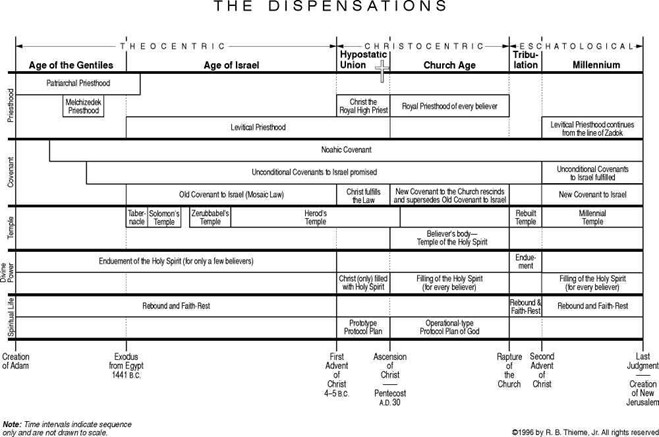
1 Corinthians 1:8
Who [Christ] will also confirm you [will verify you as believers] to the end [of the Church Age at which time, the Corinthian believers will go from their interim bodies of corruption into bodies of incorruption] so that you will be blameless [in your resurrection bodies without your sin natures] at the day of Our Lord Jesus Christ [Rapture].
ὃς καὶ βεβαιώσει ὑµᾶς ἕως τέλους ἀνεγκλήτους ἐν τῇ ἡµέρᾳ τοῦ κυρίου ἡµῶν Ἰησοῦ [Χριστοῦ].
The Corinthians in Christ Jesus were confirmed by the Lord as believers when they were in their mortal bodies; then when they died and went to heaven, they were confirmed as believers in their interim bodies; finally they will be confirmed as believers at the Rapture of the Church when they will receive a resurrection body just like that of the Christ Jesus. No matter how great the failure of the Corinthians was, they will be at the Rapture of the Church and at that time they all will receive a resurrection body, and in that resurrection body will live with the Lord for all eternity.
The Rapture or the resurrection of Church Age Believers; a few brief points:
1. The Promise of the Rapture: John 14:1-3. "If I go to prepare a place for you, I will come again and receive you to myself."
2. James gives us an admonition in James 5:7-8. "Therefore, brethren, have patience until the coming of the Lord [Rapture]. The farmer waits with anticipation for the valuable production of the soil, constantly being patient until it has received the early and the latter rains. Have patience! Furthermore, all of you become stabilized in your right lobes because the coming of the Lord [Rapture] has approached with the result that it is drawing nearer and nearer."
3. Three times in Revelation is the phrase, "I am coming soon": Revelation 22:7, 12, 20. Remember that, to the Lord, a day is as a thousand years and a thousand years is as a day. This statement was made in A.D. 96, and this is now A.D. 2020. Therefore, "soon" connotes imminency, not immediacy.
4. Titus 2:13, "Waiting with keen anticipation for that blessed hope [Rapture], even the appearance of the glory of our great God and Savior, Christ Jesus."
5. 1 Corinthians 6:14, "Now God [the Father] has not only resurrected our Lord, but He will raise us up through His power."
6. The omnipotence of the Holy Spirit restored our Lord's human soul in Hades to His body in the grave and thereby became an agent in the resurrection of the humanity of Jesus Christ. 1 Peter 3:18, “For Christ also died as a substitute for our sins once and for all, the righteous for the unrighteous so that He might bring us to God, having been put to death in the flesh, but made alive [given a resurrection body] by the Spirit.] Also the Spirit will be the agent in providing a resurrection body for those in mortal bodies at the Rapture. Romans 8:11, “But if the Spirit of Him who raised Jesus from the dead will also give life to your mortal bodies [at the Rapture] through His Spirit who indwells in you.”
7. Two categories of believers at the Rapture. 1 Corinthians 15:53, “For this perishable [the interim body of those Christians who died before the Rapture] must put on imperishable [an eternal body], and this mortal [the mortal body of those alive at the Rapture] must put on immortality [eternal body].”
8. 1 John 3:2-3. “Beloved, now we are the children of God, and it has not appeared as yet what we will be. We know that when He appears [at the Rapture], we will be like Him [a resurrection body similar to that of Jesus] because we will see Him just as He is. And everyone [the believer with momentum] who keeps having this confidence [from doctrine in the soul] in him purifies himself [by advancing in fellowship] just as that one is pure [the humanity of Christ remained in fellowship with God during the 1st Advent].
9. 1 Thessalonians 4:13-18, "But we do not want you to be ignorant, brethren, about those who are asleep that you may not grieve, as to the rest of the world [of unbelievers] who have no confidence." 14. If we believe that Jesus died and rose again [and we do], even so God [omnipotence of God the Father] will bring with Him those who have fallen asleep. 15. For this doctrine we communicate to you by the Word of the Lord, that we who are alive and remain until the coming of the Lord [Rapture] shall not precede those who have fallen asleep. 16. For the Lord Himself shall descend from heaven with a shout, with the voice of the archangel [for mortality to receive immorality] and with the trumpet of God [the Father’s trumpet command for corruption to become incorruption]; in fact, the dead in Christ shall rise first. 17. Then we [Paul identifies himself with those who will be alive at the Rapture] who are living who remain on the earth shall be caught up together with them [dead believers] in the clouds to meet the Lord in the air, and so shall we ever be with the Lord. 18. Therefore, comfort each other with these doctrines.”
1 Corinthians 1:9
The God is faithful through whom you have been called [invited] into fellowship with his son, Jesus Christ, Our Lord.
πιστὸς ὁ θεὸς δι’ οὗ ἐκλήθητε εἰς κοινωνίαν τοῦ υἱοῦ αὐτοῦ Ἰησοῦ Χριστοῦ τοῦ κυρίου ἡµῶν.
The call of God the Father occurs at the point of Common Grace (The enabling power of the Spirit is given to the unbeliever that he might comprehend the Gospel). So, the call of God occurs in time; whereas election occurred in eternity past. Thus, the unbeliever who accepts the invitation or the call of God the Father to believe in Jesus Christ has been elected into the Father’s plan in eternity past. Ephesians 1:4, “Just as He [the Father] has elected [from the Greek word, eklego] us for Himself in Him [positional sanctification] before the creation of the world that we may be set apart [experiential sanctification] and blameless [ultimate sanctification] in the presence of Him [Father].” Believers are commanded to make their calling and election a reality in 2 Pet 1:10-11, "Therefore, rather brethren, be more motivated [perception of doctrine regarding your portfolio of invisible assets] to make your calling [the Greek word, klesis] and election [the Greek word, ekloge] a spiritual reality; for by doing these things [fulfillment of the protocol plan of God], you will never stumble at any time [become a loser]. For in this manner [execution of the protocol plan], your entrance into the eternal kingdom of our Lord Jesus Christ [ultimate sanctification in the resurrection body] will be richly supplied [conveyance of eternal escrow blessings to winners]."
Paul’s Exhortation: verses 10-16
1 Corinthians 1:10
Now I exhort you'll, royal family, through the person of our Lord, Jesus Christ that you all communicate [think] the same viewpoint [divine viewpoint on any subject] and that there may not be any schisms among you [four divisions mentioned in this chapter caused by approbation and power lust] and that you may be perfectly joined together in the same thinking [based on truth] and in the same purpose [objective].
Παρακαλῶ δὲ ὑµᾶς, ἀδελφοί, διὰ τοῦ ὀνόµατος τοῦ κυρίου ἡµῶν Ἰησοῦ Χριστοῦ, ἵνα τὸ αὐτὸ λέγητε πάντες, καὶ µὴ ᾖ ἐν ὑµῖν σχίσµατα, ἦτε δὲ κατηρτισµένοι ἐν τῷ αὐτῷ νοῒ καὶ ἐν τῇ αὐτῇ γνώµῃ.


Paul has to exhort the Corinthians to execute what he has written above for the most obvious reason. They are not doing any of the above. In order to execute these exhortations, the Corinthian believers must consistently function under the two power options. This they have not done up to this point. The Corinthians have demonstrated the following namely that Christians can commit any sin; any act of hypocritical good; any act of evil as does the unbeliever. The only difference between these two is that the Christian in many cases is far worse than the unbeliever. The Corinthian believers were committing every mental, verbal and overt sin in the book and involved in many distortions of Scripture such as the distortion of the Gift of Tongues and water baptism. They were involved in competition based on ignorance and arrogance which competition we shall see in this passage. Undoubtedly, many were motivated by hatred toward one another (many lawsuits against each other), mental murder as is the case of many believers. 1 John 3:15 confirms the extent of mental murder among Christians. “Anyone who hates his brother [a Christian hating a Christian which happens all the time] is a murderer [commits mental murder], and you know that every murderer [mental murder is in view] does not have eternal life residing in him” [This means exactly what it says. If for example there were a group of 100 mental murderers. John is saying that not all one hundred would be believers; maybe only 60-70 would be believers. Most members of the human race who murder mentally are Christians, but not all- some are unbelievers]. David one of the greatest believers in the Old Testament not only committed mental murder, but actual, physical murder for he murdered Uriah the Hittite.
πᾶς ὁ µισῶν τὸν ἀδελφὸν αὐτοῦ ἀνθρωποκτόνος ἐστίν, καὶ οἴδατε ὅτι πᾶς ἀνθρωποκτόνος οὐκ ἔχει ζωὴν αἰώνιον ἐν αὐτῷ µένουσαν.
Smooth translation would be, “not every murderer have eternal life residing in him.
1 Corinthians 1:11
For it has been revealed to me concerning you, my brethren, by the household of Chloe that there is strife among you.
ἐδηλώθη γάρ µοι περὶ ὑµῶν, ἀδελφοί µου, ὑπὸ τῶν Χλόης ὅτι ἔριδες ἐν ὑµῖν εἰσιν.
Chloe was apparently a very stable woman who was accurate in her statements and never went off half-cocked and never maligned or gossiped about anyone. She was very different from a lot of unstable Christians who may have a naturally sweet, kind and even gracious personality, but lacks spiritual stability and integrity.
1 Corinthians 1:12
Now this I say that each of you who says," I am of Paul, on the other hand others say, I am of Apollos, I am of Cephas, I am of Christ.
λέγω δὲ τοῦτο, ὅτι ἕκαστος ὑµῶν λέγει, Ἐγὼ µέν εἰµι Παύλου, Ἐγὼ δὲ Ἀπολλῶ, Ἐγὼ δὲ Κηφᾶ, Ἐγὼ δὲ Χριστοῦ.
1 Corinthians 1:13
Is Christ divided? Paul wasn't crucified as a substitute for you, was he? Of course not. Or you have not been baptized into the person of Paul, have you? Of course not!
µεµέρισται ὁ Χριστός; µὴ Παῦλος ἐσταυρώθη ὑπὲρ ὑµῶν, ἢ εἰς τὸ ὄνοµα Παύλου ἐβαπτίσθητε;
The Corinthian Church was divided into four different groups vying for power. They used the following four names: Paul, Apollos, Cephas and Christ in order to consolidate their power. Three of these groups were formed in part on the basis of baptism for Paul mentions in the very next verse that he was thankful that he only baptized a few. Others rallied around Paul since he was by far the most intellectual of the three. Some undoubtedly rallied around Apollos since he was a great orator; around Peter since he was one of the early leaders of the Church, and Christ because he is the God-Man.
In bringing to light the absolute stupidity and irrationality of these divisions, Paul using himself as an example makes it quite clear that there is only one Savior and only one person seated at the right hand of God the Father.
1 Corinthians 1:14
I am thankful that I baptized none of you except Crispus and Gaius.
εὐχαριστῶ ὅτι οὐδένα ὑµῶν ἐβάπτισα εἰ µὴ Κρίσπον καὶ Γάϊον,
This should shock those who believe that water-baptism is necessary for both salvation and the spiritual life for the greatest exponent of the spiritual life in the Church Age renounced this stupidity and false doctrine. Out of tens of thousands of converts to Christianity, Paul only baptized a handful. You have to ask the question, why? Apparently, the Corinthians were already placing too much emphasis on the ritual of water baptism and too little emphasis on the Baptism of the Spirit. So, Paul wanted no part of this distortion.
1 Corinthians 1:15
In order that no one might say that you have been baptized into [identified] my person.
ἵνα µή τις εἴπῃ ὅτι εἰς τὸ ἐµὸν ὄνοµα ἐβαπτίσθητε.
Paul is ridiculing their stupidity. For if the Christian is dumb enough to distort water baptism into something it was never intended to be, then maybe they are dumb enough to think that a Christian can be baptized spiritually into a human being such as Paul.
1 Corinthians 1:16
Also, I baptized the household of Stephanus, the rest [of you,] I don't know whether I baptized any other or not.
ἐβάπτισα δὲ καὶ τὸν Στεφανᾶ οἶκον· λοιπὸν οὐκ οἶδα εἴ τινα ἄλλον ἐβάπτισα.
The Corinthians didn’t understand the difference between the use of water baptism, and how it related to the subject of the Baptism of the Spirit. The Corinthian Church as far as I know was the only church which made an issue out of the ritual of water baptism. A ritual that only had purpose in the pre-canon period of the Church Age for only at that time, was it used as a teaching aid in the communication of the Baptism of the Holy Spirit. As the teaching on the Baptism of the Spirit became widespread and the epistles of the New Testament were being written, and subjects such as the Baptism of the Spirit were clearly presented in such epistles as Romans, there was no longer a need for this ritual of water-baptism.
Paul’s Emphasis: verses 17, 18
1 Corinthians 1:17
For Christ did not send me to baptize, but to communicate the good news, not in wisdom of speech [human wisdom] so that the cross of Christ might not be voided.
οὐ γὰρ ἀπέστειλέν µε Χριστὸς βαπτίζειν ἀλλὰ εὐαγγελίζεσθαι, οὐκ ἐν σοφίᾳ λόγου, ἵνα µὴ κενωθῇ ὁ σταυρὸς τοῦ Χριστοῦ.
In Paul’s four missionary journeys, the only time Paul mentions that he performed water baptism as a ritual to teach Spirit Baptism is in the first chapter of 1 Corinthians. Paul made himself very clear when he said that he did not have time to waste, and as far as he was concerned, conducting a lot of ritual water baptisms was a waste of time. The Lord sent him to communicate the gospel to the unsaved and to communicate the spiritual life to believers that they may grow spiritually. These last two are infinitely more important than conducting water baptisms.
Why conduct water baptisms when the information is clearly taught in the canon of Scripture. Furthermore, since Paul had clearly taught Spirit Baptism to the Corinthian believers during his 18 months with them, he saw no need to baptize them into water to illustrate the point. He just baptized a few to communicate the point and these were apparently conducted in his first few months in Corinth.
1 Corinthians 1:18
For the Word of the cross to the ones who are perishing [the ones rejecting the gospel] is foolishness, but to us who are being saved it is the power of God.
Ὁ λόγος γὰρ ὁ τοῦ σταυροῦ τοῖς µὲν ἀπολλυµένοις µωρία ἐστίν, τοῖς δὲ σῳζοµένοις ἡµῖν δύναµις θεοῦ ἐστιν.
If the unbeliever refuses to listen to the gospel or rejects the gospel information after hearing it (Common Grace followed by the Call of God the Father), then the gospel and all other spiritual information in the Bible will appear to him as foolishness. 1 Corinthians 2:14, “But the soulish-man [ψυχικὸς δὲ ἄνθρωπος] does not accept the things from the Spirit of God for they are foolishness to him, and he is not able to understand them because they are discerned spiritually.”
1 Corinthians 1:19
For it stands written, "I shall destroy the [pseudo] wisdom of the wise [the Greek philosopher] and I shall set aside the understanding of the [pseudo] intellectuals [a quote from Isaiah 29:14].
γέγραπται γάρ, Ἀπολῶ τὴν σοφίαν τῶν σοφῶν, καὶ τὴν σύνεσιν τῶν συνετῶν ἀθετήσω.
Both the Greek and the Jewish pseudo intellectuals thought that they were smarter than God and His plan. Though Christianity is a relationship with God, a relationship that uses divine power, the ethical systems of these Greek and Jewish intellectuals were making inroads in Corinth among the Christians. They were convincing the Christians to move from dogmatic divine viewpoint to human viewpoint which is less offense to people. They were convincing some of the Corinthian to leave the power of the spiritual life and to replace it with a system of ethics based on the human strength of the sin nature.
1 Corinthians 1:20
Where is the wise? Where is the scribe? Where is the debater of this age? Has not God proved foolish the wisdom of this world?
ποῦ σοφός; ποῦ γραµµατεύς; ποῦ συζητητὴς τοῦ αἰῶνος τούτου; οὐχὶ ἐµώρανεν ὁ θεὸς τὴν σοφίαν τοῦ κόσµου;
Where are the wise Greek philosophers namely the Stoics and Epicureans? Where is the scribe, the legalistic Jewish theologian who attempts to build salvation and the spiritual life on Jewish taboos and the distortions of the Mosaic Law? Where is the professional Greek debater who could take either side of an argument and win it through logic and technique? These questions will be answered in the rest of this chapter and in the following chapter as well.
1 Corinthians 1:21
For in as much as [the plan of God is based] in the wisdom of God [God's omniscience in the Divine decree], the world through its wisdom [human I.Q. rejecting divine revelation] did not know God. The God decided with pleasure through the foolishness of a proclamation [the viewpoint of the pseudo intellectuals regarding the gospel message] to save the ones who believe.
ἐπειδὴ γὰρ ἐν τῇ σοφίᾳ τοῦ θεοῦ οὐκ ἔγνω ὁ κόσµος διὰ τῆς σοφίας τὸν θεόν, εὐδόκησεν ὁ θεὸς διὰ τῆς µωρίας τοῦ κηρύγµατος σῶσαι τοὺς πιστεύοντας.
1. The Greek philosophers were arrogant about their human I.Q. and in their ability to use rationalism. They considered faith as a system of perception to be greatly inferior to rationalism since faith requires no ability. Therefore, since they refused to use faith, they could not appropriate the gospel-message. Rationalism rejects Divine revelation and considers all miracles as foolishness.
2. Since both rationalism and empiricism require human ability, they were rejected by God. God will not accept any human merit in his plan and since faith is the only system of perception that does not require human ability, God uses it. So, mankind must use faith to appropriate what God has provided through His wisdom. The gospel is not only the wisdom of God, it is also the power of God unto salvation (Rom.1:16).
3. When Paul calls the gospel "the foolishness of a proclamation" he is being sarcastic. The Greek philosophers consider the gospel to be foolishness. Paul presents a question regarding philosophy, can rationalism save? No, of course not, only what the Greek philosophers consider foolish (the gospel) can produce salvation.
4. The Greek debater with his high intelligence also rejected the gospel since gaining salvation does not require high I.Q.
5. The Jewish scribe did not make an issue out of I.Q., but in arrogance rejected salvation by grace. Arrogance and grace are antithetical. One emphasizes the works of man; the other emphasizes the work of God.
1 Corinthians 1:22
For the Jews keep seeking miraculous signs [empiricism and emotionalism] and the Greeks seek wisdom [rationalism].
ἐπειδὴ καὶ Ἰουδαῖοι σηµεῖα αἰτοῦσιν καὶ Ἕλληνες σοφίαν ζητοῦσιν,
1. Since the Jews kept seeking signs, the Lord gave them three namely the virgin birth (Is. 7:14), the gift of languages (Is. 28:11, 12) and the birth of Jesus (Isaiah 1:3; Luke 2:12). However, the Jews didn’t want to see these types of miracles and signs, but wanted miracles to benefit them; miracles that would enable them to remove the power of the Romans.
2. When Jesus Christ performed miracles, he did so for two reasons: first to demonstrate that he was the Messiah and second to gain the attention of the unbeliever. Jesus Christ did not perform miracles to relieve suffering. If that had been his purpose, he would have relieved all of their suffering.
3. Miracles are powerful, but miracles are not alive and powerful (Hebr. 4:12). Only the Word of God can save the unbeliever, and only the Word of God can cause spiritual growth for the believer.
4. The Exodus generation of believers saw 10 great miracles in Egypt and 10 more miracles within the first year in the desert. Yet they were total losers.
5. Miracles can communicate the power of God, but they cannot communicate specific information.
6. The Greeks sought human wisdom gained through rationalism apart from any
Divine revelation, and so rejected God's wisdom which is obtained through faith in God’s Word apart from the meritorious system of rationalism.
1 Corinthians 1:23
But we proclaim Christ having been crucified to the Jews a stumbling block and to the gentiles foolishness.
ἡµεῖς δὲ κηρύσσοµεν Χριστὸν ἐσταυρωµένον, Ἰουδαίοις µὲν σκάνδαλον ἔθνεσιν δὲ µωρίαν,
The gospel of grace was a stumbling block to the Jews because it offended their arrogance related to legalism. The Jews always desired to do something to gain the approbation of God (Deuteronomy 30:12, 13). Also, as Moses had observed namely that they had a tendency toward self-righteousness from the inception of their nation (Deuteronomy 9:4-6).
The gentiles especially the Greeks adopted both rationalism and empiricism as meritorious systems of perception. Being meritorious, these two systems of perception fostered arrogance. So, to be saved by faith apart from either rationalism or empiricism was completely foolish to them.
1 Corinthians 1:24
But to those who are elected both Jews and Greeks [gentiles] Christ is the power of God and the wisdom of God.
αὐτοῖς δὲ τοῖς κλητοῖς, Ἰουδαίοις τε καὶ Ἕλλησιν, Χριστὸν θεοῦ δύναµιν καὶ θεοῦ σοφίαν·
1 Corinthians 1:25
Because the foolish act of the God is wiser than the wisdom of man [answer to the Greeks] and the weak act of God is stronger than the strength of man [answer to the Jews].
ὅτι τὸ µωρὸν τοῦ θεοῦ σοφώτερον τῶν ἀνθρώπων ἐστίν, καὶ τὸ ἀσθενὲς τοῦ θεοῦ ἰσχυρότερον τῶν ἀνθρώπων.
1 Corinthians 1:26
Consider your election, brethren for not many were wise according to human standards, not many were achievers not many were aristocrats.
Βλέπετε γὰρ τὴν κλῆσιν ὑµῶν, ἀδελφοί, ὅτι οὐ πολλοὶ σοφοὶ κατὰ σάρκα, οὐ πολλοὶ δυνατοί, οὐ πολλοὶ εὐγενεῖς·
1 Corinthians 1:27
But God has elected the foolish things [those unbelievers who do not depend for their human wisdom but on God's wisdom and believe] of this world in order that he might discredit [put to shame] the wise [Greek philosophers] and God has elected the weak things [the helpless royal family who respond to God's power] of this world that he might discredit [put to shame] the strong [the religious Jews].
ἀλλὰ τὰ µωρὰ τοῦ κόσµου ἐξελέξατο ὁ θεὸς ἵνα καταισχύνῃ τοὺς σοφούς, καὶ τὰ ἀσθενῆ τοῦ κόσµου ἐξελέξατο ὁ θεὸς ἵνα καταισχύνῃ τὰ ἰσχυρά,
1 Corinthians 1:28
And God [the Father] has elected the low born of this world and the despised, the things which are not [the humble, the ones who approach God on the basis of grace] that he might neutralize the things which are [arrogant unbelievers who rely on their human power, wisdom and achievement].
καὶ τὰ ἀγενῆ τοῦ κόσµου καὶ τὰ ἐξουθενηµένα ἐξελέξατο ὁ θεός, τὰ µὴ ὄντα, ἵνα τὰ ὄντα καταργήσῃ,
1 Corinthians 1:29
So that no person should boast in the presence [before] of God.
ὅπως µὴ καυχήσηται πᾶσα σὰρξ ἐνώπιον τοῦ θεοῦ.
1 Corinthians 1:30
But from the source of him [God the Father] you keep on being in Christ Jesus [positional sanctification] who has become to us wisdom from the ultimate source of God [the Father] both righteousness [integrity must be developed], sanctification [positional and experiential are in view] and redemption [Propitiation plus reconciliation equals redemption: received at salvation].
ἐξ αὐτοῦ δὲ ὑµεῖς ἐστε ἐν Χριστῷ Ἰησοῦ, ὃς ἐγενήθη σοφία ἡµῖν ἀπὸ θεοῦ, δικαιοσύνη τε καὶ ἁγιασµὸς καὶ ἀπολύτρωσις,
Galatians 3:28, “There is neither Jew nor Greek; there is neither slave nor free; there is neither male nor female. All are one in Christ Jesus.”
We are “all one in Christ Jesus” means that we are all under the same system for the spiritual life of the Church Age.
1 Corinthians 1:31
In order that as it is written [quoting from Jeremiah 9:24] the one who boast, let him boast in the Lord.
ἵνα καθὼς γέγραπται, Ὁ καυχώµενος ἐν κυρίῳ καυχάσθω.
The more the Christian understands what the Lord Jesus Christ has done for him; the asset that he has received at salvation; the Father’s protocol plan for time and eternity, there is no room for boasting except in Our Savior, Jesus Christ who has made it all possible.
